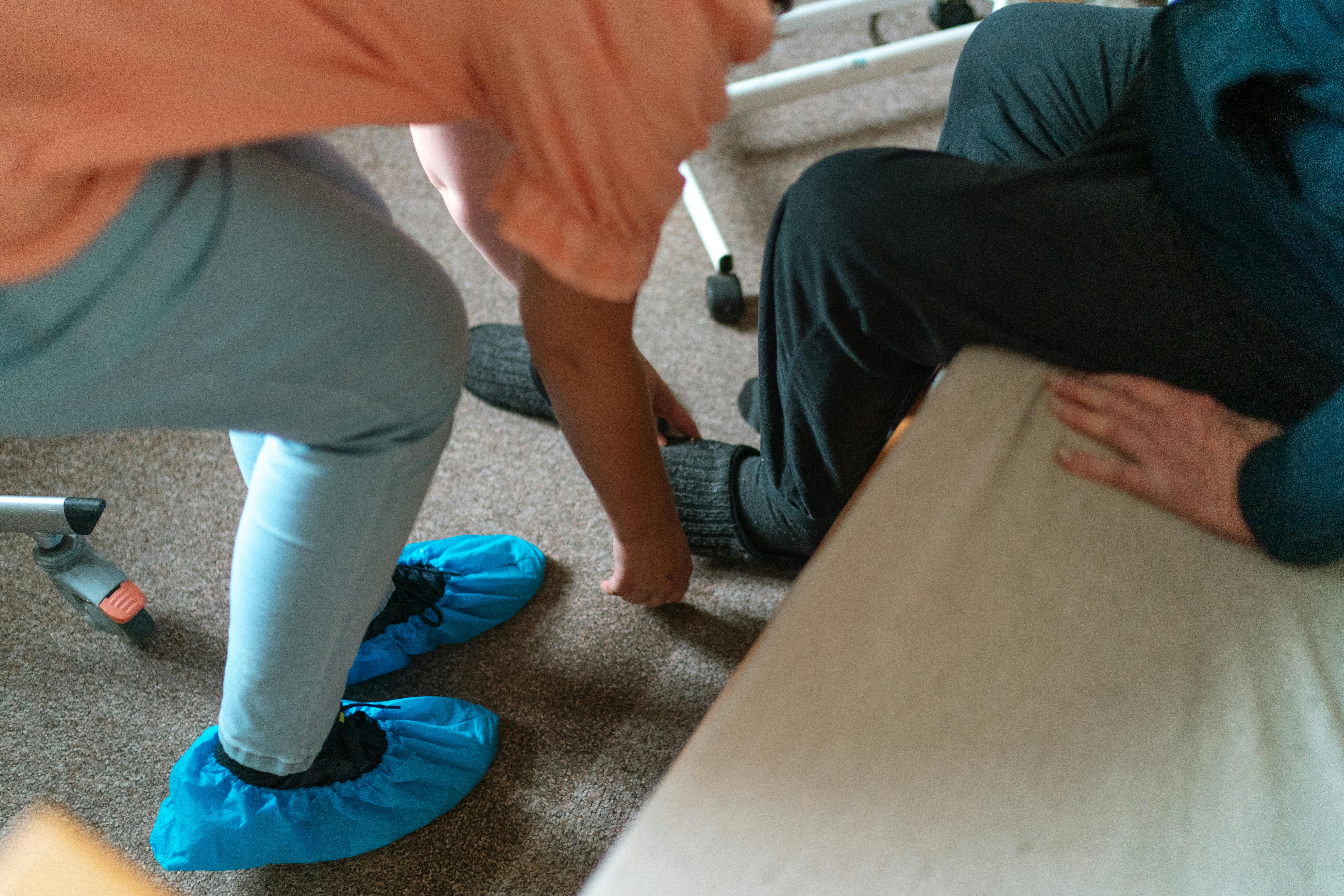
When someone is living with a long-term, complex or advanced health condition, everyday life can become harder to manage. Tasks that once felt simple may begin to require planning, support and specialist understanding.
For families, this can be a challenging stage. They may want to help as much as possible, but complex health needs can be difficult to manage without professional support.
Many people assume that specialist nursing care always means moving into a nursing home or remaining in hospital for longer. In some situations, that may be necessary. But for many people, care can also be delivered at home.
Specialist nursing care at home is designed to support people with more involved needs while helping them stay in familiar surroundings. It brings structured, skilled care into everyday life, allowing people to remain close to their routines, family and community.
For families exploring options, specialist nursing care in Clapham and Streatham can provide a more personal approach to managing complex needs at home.
What Is Specialist Nursing Care At Home?
Specialist nursing care is support for people whose needs go beyond standard home care. It may involve help with long-term conditions, mobility challenges, recovery after illness or injury, cognitive changes, medication routines or more complex day-to-day support.
The exact care provided depends on the person’s condition, care plan and level of need. For some people, support may focus on safe movement, personal care and daily monitoring. For others, it may involve more structured assistance linked to a specific diagnosis or clinical requirement.
This type of care may be suitable for people living with conditions such as Parkinson’s disease, multiple sclerosis, stroke, acquired brain injury, dementia, spinal injury, motor neurone disease or other complex health needs.
It may also be helpful after a hospital stay, particularly when someone is well enough to return home but still needs regular support to recover safely.
Why Home Can Be A Better Setting For Some People
Home can provide comfort in a way that other settings cannot. Familiar rooms, personal belongings, established routines and local surroundings can all help someone feel more secure.
For people living with complex conditions, this sense of familiarity can be especially important. A change of environment may feel overwhelming, particularly if someone is already managing pain, fatigue, confusion or reduced mobility.
Specialist care at home allows support to be arranged around the person’s existing life. Meals, rest, personal care, appointments and activities can be planned around their preferences rather than a shared timetable.
This can help preserve a sense of independence. The person is not simply receiving care. They are being supported to continue living in a way that feels recognisable and meaningful to them.
Care That Adapts As Needs Change
Complex conditions can change over time. Some people may have good days and difficult days. Others may experience gradual changes in mobility, communication, memory or energy levels.
That is why specialist care at home needs to be flexible.
A care plan should not stay fixed if the person’s needs change. It should be reviewed and adapted so support remains appropriate, safe and useful.
This might mean increasing the level of care, introducing different types of support, adjusting routines or working alongside healthcare professionals. The goal is to respond early, rather than waiting until a situation becomes more difficult.
For families, this can provide reassurance. They know the care is not simply based on what was needed at the start, but on what the person needs now.
Supporting Independence And Dignity
Specialist nursing care is not about taking over every part of someone’s life. Good care should support independence wherever possible.
This may mean encouraging someone to do what they can safely manage, while providing help where it is needed. It might involve supporting mobility, helping with personal care in a respectful way, preparing meals, prompting medication or helping someone attend appointments.
Independence can look different for every person. For one person, it may mean continuing to make choices about meals and routines. For another, it may mean being supported to sit in the garden, speak with friends, or take part in familiar activities.
Dignity is just as important. People receiving care should feel listened to, respected and included in decisions about their daily life.
The Role Of Families
Families often play an important role in supporting someone with complex needs. They may help with appointments, medication, meals, paperwork or emotional support.
However, caring for someone with advanced health needs can be physically and emotionally demanding. Without the right support, relatives can become exhausted or anxious about making mistakes.
Specialist nursing care at home can help share that responsibility.
Professional carers can provide structured support, while families continue to offer emotional connection and familiarity. This can help reduce pressure and allow relatives to spend more meaningful time together.
It can also make it easier to spot changes. When carers and families communicate well, concerns can be raised earlier and support can be adjusted more effectively.
When Should Families Consider Specialist Care?
There is no single moment when specialist care becomes necessary. However, there are signs that extra support may be helpful.
These can include increasing difficulty with personal care, frequent falls or near misses, missed medication, changes after hospital discharge, worsening symptoms, reduced mobility, or a family carer feeling overwhelmed.
It may also be time to seek support if someone’s needs are becoming too complex for standard care visits, or if they require a more consistent approach throughout the day.
Planning early can make the process easier. Families often wait until a crisis happens before arranging care, but seeking advice sooner can provide more options and reduce stress.
A More Personal Way To Manage Complex Needs
Specialist nursing care at home can offer a thoughtful alternative for people who want to remain in familiar surroundings while receiving more advanced support.
It allows care to be tailored around the person, their condition, their routines and their preferences. It can also provide families with reassurance that complex needs are being managed with skill and compassion.
For people living in Clapham, Streatham and surrounding areas, nursing care at home can help make daily life feel safer, calmer and more manageable.
With the right support in place, many people can continue living at home with dignity, confidence and a greater sense of control.